
Whether you’re building back after a major remediation or simply trying to make healthier decisions for your family, The Clean List offers you guidance so you can be done guessing.
what we offer…
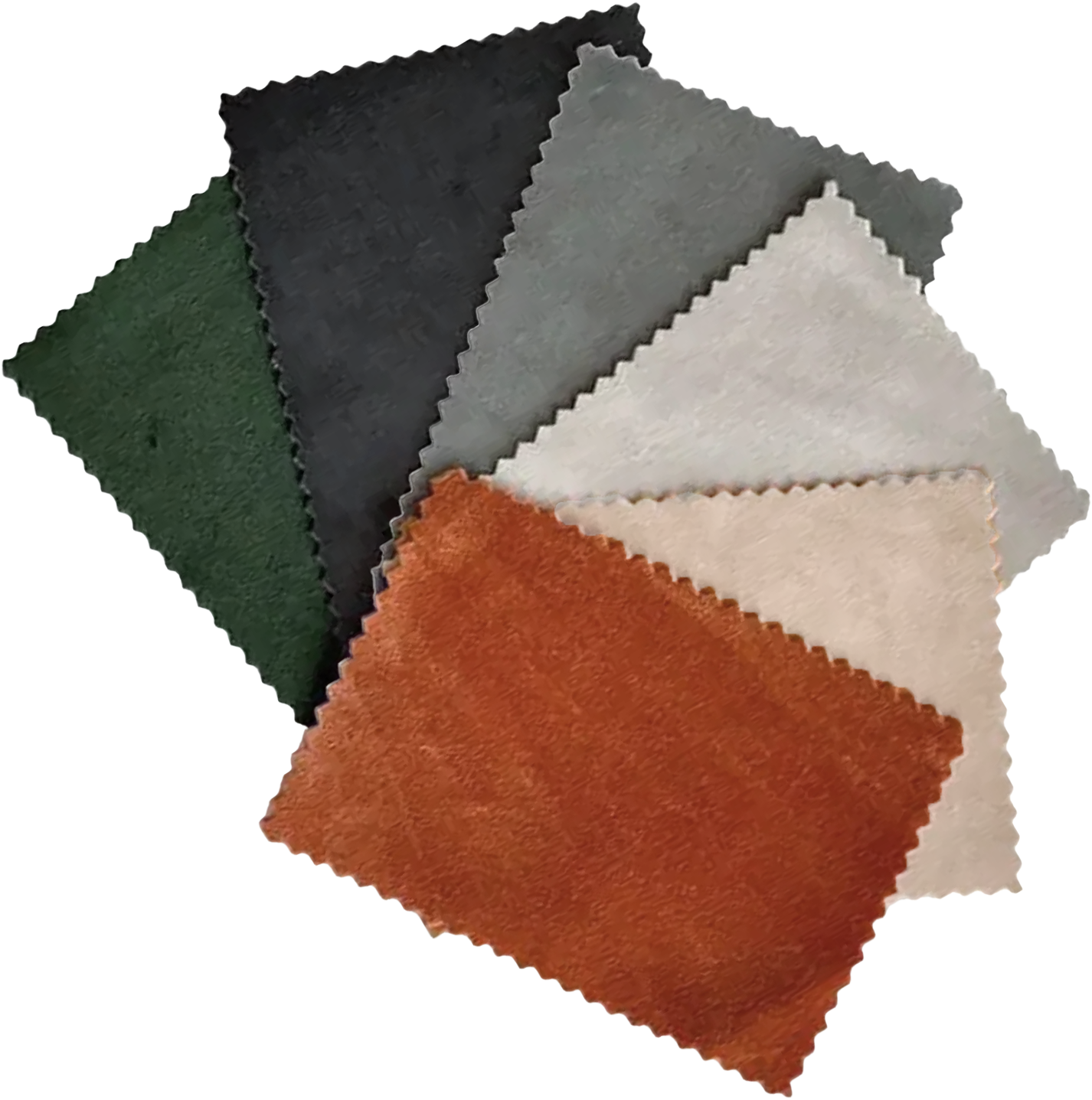
Preferred Products
Our expertise not only comes from years of diligent research and discussion with environmental health specialists and other experts, but also from our personal journey in rebuilding a healthy home. The Clean List is an ever-updating list of trusted vendors, brands, lines, and products that are safe for your home and family.

Material Guidance
Understanding materials is the first step to understanding what is helping or hurting your health. We dive into what makes a material toxic or safe, its properties, longevity, and the upkeep required - because there is NO such thing as a neutral material.

Education & Services
Education is the building block for making continual good decisions when furnishing your home. Whether you just want to learn from our notes or hire us for full interior design services, there is an option for everyone.
*Reaction to formaldehyde resin in engineered wood.
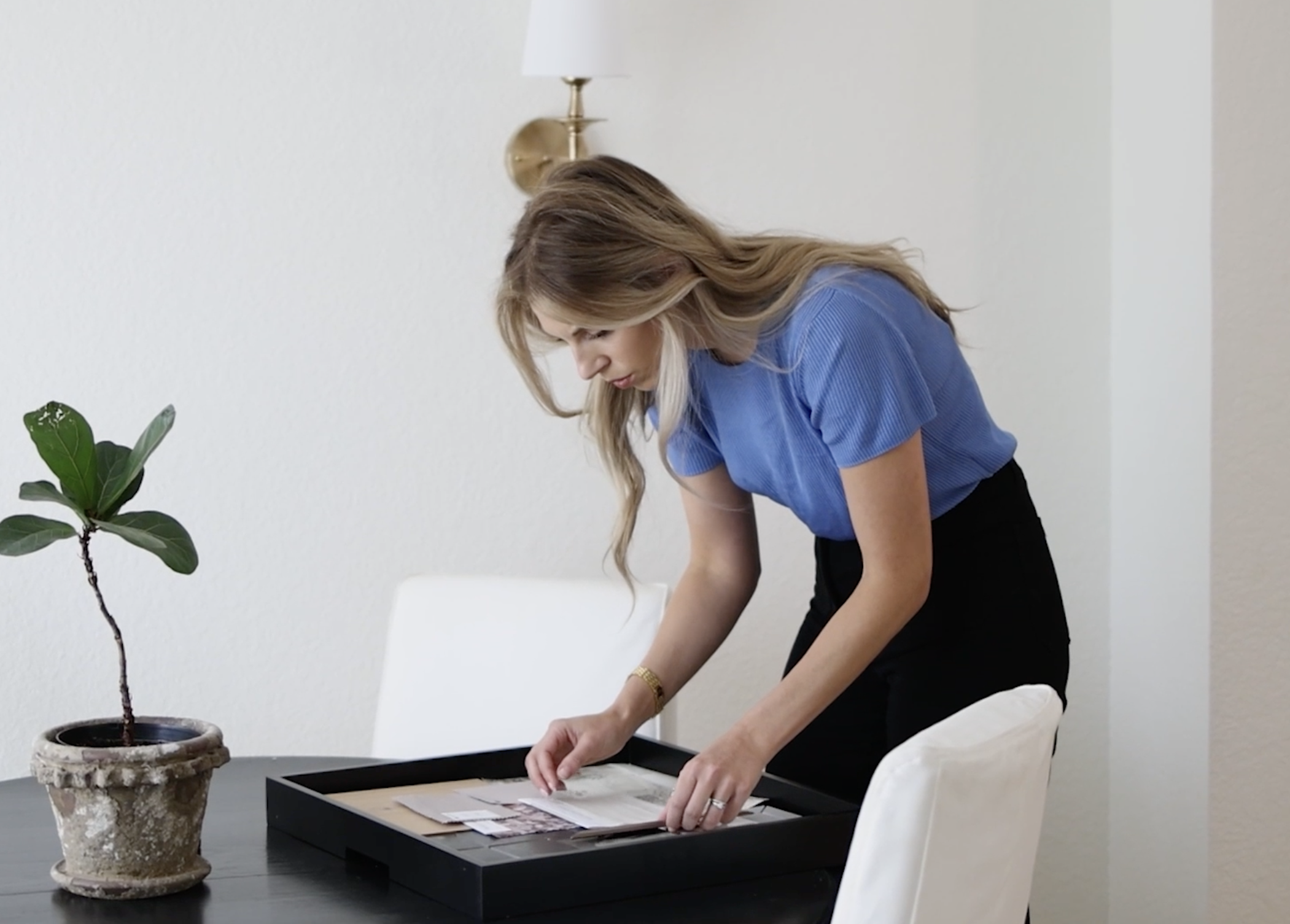
In 2020, our lives changed when Ryan was diagnosed with several immunological illnesses. Suddenly, the materials and furnishings in our home became a critical part of the healing journey. What followed was years of research and trial and error to find products that were both truly safe and beautifully designed.
That experience led to a career change. After leaving a successful advertising career, Kaleigh became a Non-Toxic interior designer, using these same trusted materials to help clients create homes that support both health and design. The Clean List grew from that work - a curated collection of products we trust so others can create homes that are both beautiful and safe.
From Personal Crisis to a Clean Standard
Our StoryInteractive Room
Click on the points to learn what’s hiding & what health issues they can cause.
Works best on desktop.

Where it hides
Engineered wood furniture, cabinetry, shelving, mattresses, textiles, adhesives, and finishes.
What it harms
Respiratory irritation & asthma, reproductive harm, immunological stress, and long-term exposure risks including cancer.
Where it hides
Paint, primers, sealers, caulks, adhesives, engineered wood products, and polyurethane foam.
What it harms
Headaches, irritation, poor indoor air quality, respiratory symptoms, chemical sensitivity triggers, and endocrine/hormonal disruption.
Where it hides
Vinyl flooring, synthetic rugs, faux leather furniture, blinds, and upholstery fabrics.
What it harms
Hormone disruption, asthma, immune dysfunction, reproductive toxicity, and metabolic disorders.
Where it hides
Stain-resistant fabrics, treated upholstery, carpets, rugs, and some furniture coatings.
What it harms
Immune disruption, thyroid effects, hormone imbalance, and long-term bioaccumulative effects.
Where it hides
Foam cushions & textiles in sofas, chairs, mattresses, upholstered furniture, and nursery items.
What it harms
Hormone disruption, neurological effects, developmental issues, and long-term toxin buildup.
Your Purchases Help Keep The Clean List Growing
The Clean List is a free resource created to make finding thoughtfully researched, lower-toxicity furnishings easier and less overwhelming.
We have affiliate relationships with some of the companies featured here. When you shop through our links or use our discount codes, you may receive a special discount - and we may earn a commission from your purchase at no additional cost to yourself. These partnerships never determine which products make The Clean List; every recommendation must first meet our independent research and material-review criteria.
Your purchases help fund the ongoing research, product reviews, and updates required to keep The Clean List growing. Thank you for supporting this resource and helping us make healthier-home information more accessible.
Why caring about non-toxic homes mattersEvery 16.5 hours
of breathing your home air equates to one whole minute of breathing in directly from your car exhaust.
Roughly 75%
of the chemicals used in everyday furniture have never been fully tested for health effects - yet we live, sleep, and are toxified by them daily.
Microplastic Ingestion
for an average American adult is anywhere from 360,000 to 3.8 Million particles annually - a significant amount of which is inhaled.