Rugs

-
A variety of textiles are used in Rug manufacturing, from natural to synthetic and anywhere in between. Rug aesthetics are composed of both the fabrics used and weave techniques, in addition to dyes and any performance treatments. For natural fabrics, the primary ones used are Cotton, Wool, Jute, Sisal, Linen and occasionally Hemp (though not often as it’s pricey). Synthetics are primarily Polyester, Polypropylene and (often recycled) PET. All three are plastic-based textiles, which are petrochemical based plastics that are converted into fabric using a chemically intensive process. Both natural and synthetic textile-based rugs will often have backings, frequently synthetic latex, which can offgas VOCs. Dyes used in rugs are 99% synthetic and petrochemical-based; though there are some natural plant-based dyed options out there, these are by far the minority.
What we’re looking to avoid within Rugs are the conventional processing inputs and dyes used in non-Organic natural textiles, and the equivalent ones used in synthetics. These inputs are often carcinogenic, endocrine-disrupting and reprotoxic (see our materials section on Textiles for more detail). Dyes in particular can be some of the most toxic inputs when it comes to textiles - especially Azo-based disperse dyes, which are often used on synthetic textiles and can release aromatic amines, which are genotoxic carcinogens. With the performance treatments used in Rugs - even as PFAS are phased out of use, the potential for regrettable substitutions remains high, and we would recommend against performance treatments for this reason - as many will still contain problematic inputs like formaldehyde and phthalates. Rugs are subject to high degree of abrasion through use, especially if shoes are worn in the house (don’t wear shoes in the house), which can cause the release of both bound chemical compounds in natural and synthetic textiles, and microplastics in (plastic-based) synthetic textiles. Microplastics are a growing area of concern linked with a multitude of negative health consequences - including hormonal disruption and infertility. Unfortunately, our pets and children are subject to higher ingestion levels and potential effects, due to being lower to the ground, and having smaller, still developing bodies.
That’s a whole lot of things to be cautious of! Not to worry - we have some great options to recommend below. What we look for in Rugs are natural textiles that are cleanly processed, better if Organically grown and carrying advanced applicable certifications. As Rugs act like spongers for whatever is in the air, which can/will lead to microbe accumulation over time, we recommend those that are machine washable - which will help keep Rugs clean and Non-Toxic through time. (Of course, there are many machine washable rugs that we wouldn’t consider Non-Toxic - we recommend only those that achieve both). We do not recommend any synthetic based rugs for all the reasons above.
Prioritize Natural textiles, Organically grown and cleanly processed, dyed using (as best can be) Non-Toxic inputs - though we do look for beautiful undyed Rugs wherever we can find them. For any Organic claims, we look for full GOTS certification.
Avoid Synthetic textiles (all those listed above), natural textiles that are conventionally processed and dyed, even if they are machine washable. Avoid any and all performance treatments when it comes to Rugs - we sacrifice a great deal in terms of health when it comes to convenience, and this is no exception. Far better to have a Non-Toxic, machine-washable Rug rather than a rug releasing toxic compounds into your indoor air.
Hook & Loom
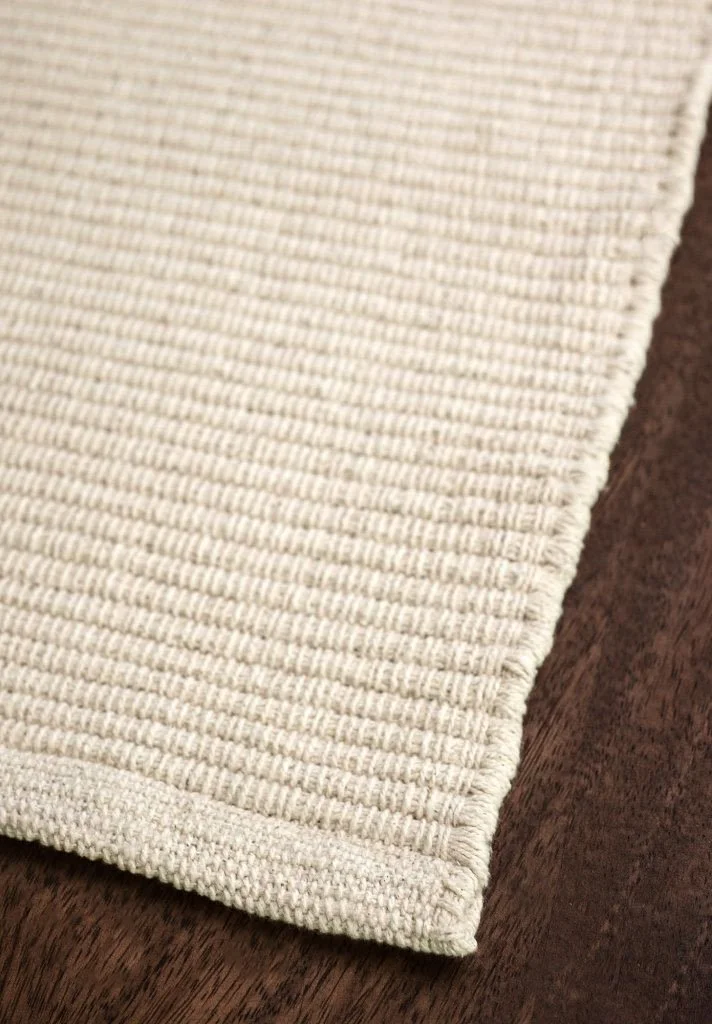
Hook & Loom offers a number of different lines, which can be somewhat confusing to navigate. The organic cotton rugs are the best fully Non-Toxic option, and their recommendation for chemical sensitivities - the score below is specific to this line. Both the flatweave and thick-woven organic cotton options are made with undyed GOTS certified cotton, and both are fully machine washable so they can be kept clean over time (the Thick-Woven will likely require a commercial washing machine). The third organic cotton option - Loom Hooked - is not washable. All Hook & Loom rugs contain no dyes, chemicals, VOCs, synthetic latex, pesticides - and none of their containers are sprayed with biocides upon entry into the country. Their natural wool rugs are made with cleanly processed, though uncertified, undyed wool. While these are not machine washable, they can be steam cleaned and professionally cleaned. We would recommend these when consistent cleaning is not a priority. The Eco Cotton line uses recycled cotton, and can contain a percentage of synthetic materials - while sustainably admirable, we would not recommend.
OVERALL SCORE
Best
CERTIFICATIONS
Organic Weave
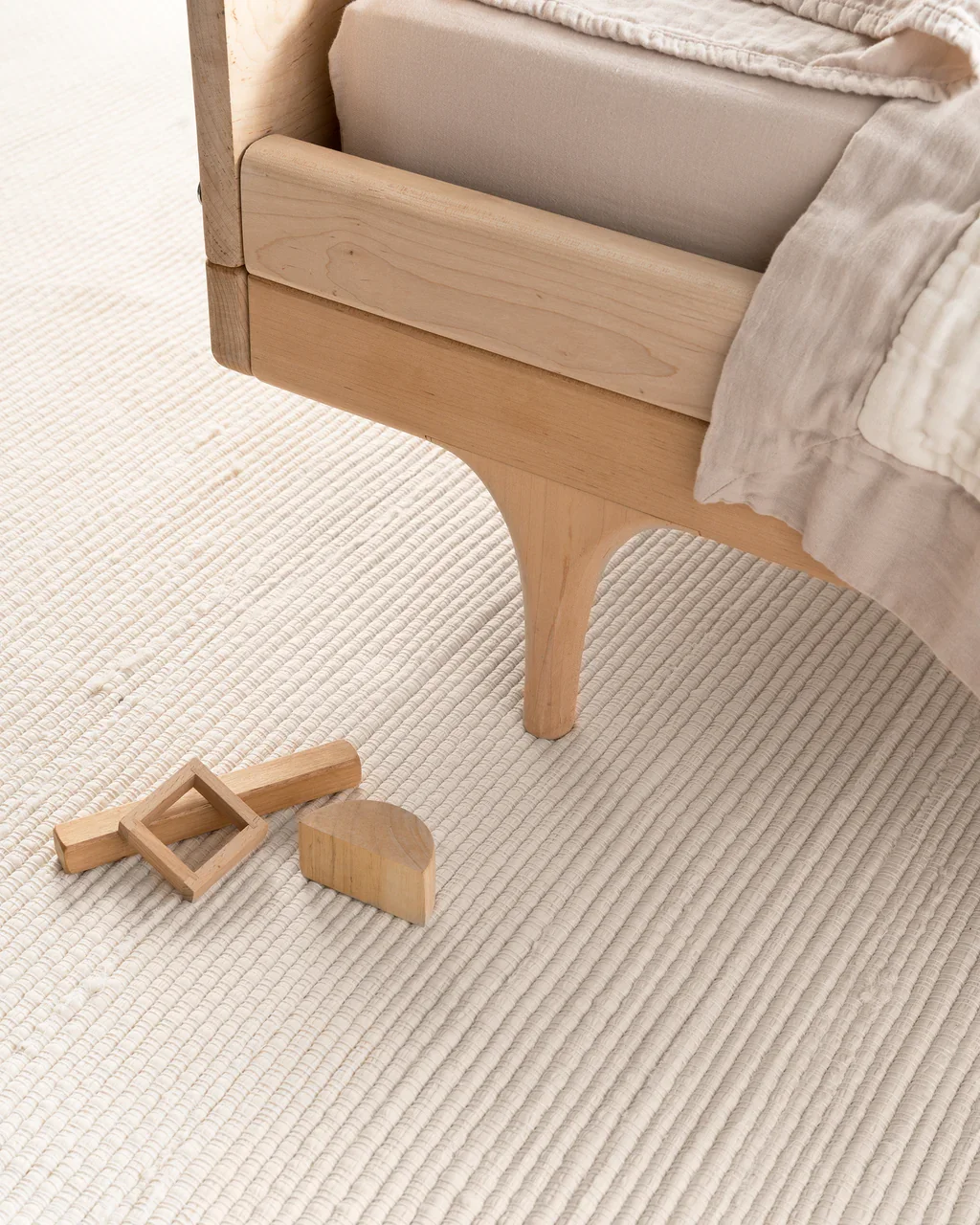
Every rug that Organic Weave sells is fully GOTS certified, and they are fully committed to Non-Toxic & biodegradable processing and finishing. In contrast to the other inclusions in our rugs recommendations, Organic Weave owns and operates their own factory in India (the largest rug-producing region globally), and fully controls every aspect and input of their production process. Primary textiles are cotton and wool, and dyes are mostly natural plant-based dyes - a step above the other dyes used in this category. Organic Weave rugs are made to order, with shipping expected around 12-14 weeks after the order is placed. On the more expensive side, with professional cleaning recommended one to two times a year - the rugs not being machine washable. Absolute full marks for materials and ingredients - our score is a bridge between Best for the aforementioned, and Better taking into account the lack of machine washability.
OVERALL SCORE
Better
CERTIFICATIONS
Willaby
Willaby started out as a baby/nursery-focused company, and has more recently added in some home decor and bedding options. Within their offerings, they that have a line of Non-Toxic and washable area rugs, available in a few options of varying sizes and colors. While the rugs themselves are not fully GOTS certified (more to do with financial constraints and keeping the rugs affordable than anything else), Willaby uses GOTS certified cotton gauze, and GOTS approved dyes - which, even though they are petro-based, are still the cleaner option when compared to conventional synthetic dyes. Their rug selection, while a great option, is somewhat limited. Recently they’ve started carrying a few selections from Lorena Canals - see notes on LC below.
OVERALL SCORE
Better
CERTIFICATIONS
Sage & Wild
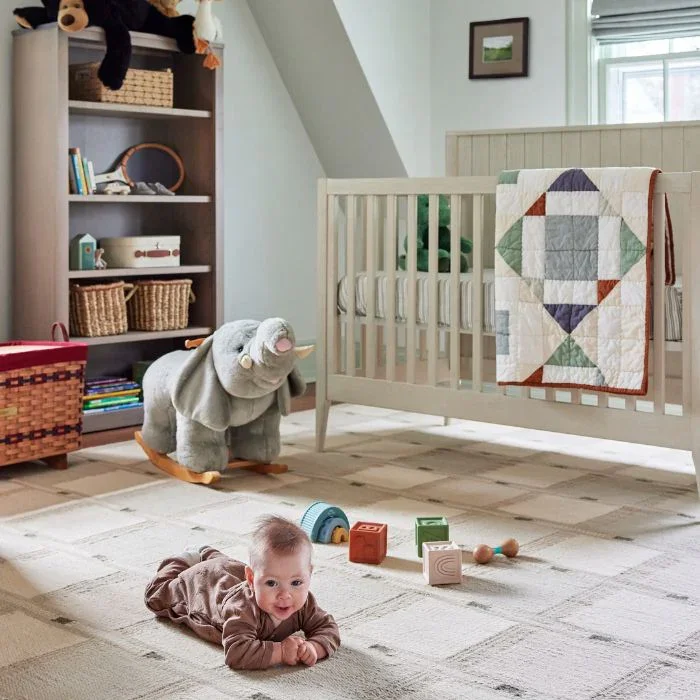
A newer entry, Sage & Wild was founded by two mothers who were searching for Non-Toxic and washable rugs for their nurseries, and not finding many good options. So they decided to make some! They have cotton and wool options; both are fully washable. The cotton rugs are fully GOTS certified, and the wool rugs are RWS (Responsible Wool Standard) and ZDHC (Zero Discharge of Hazardous Chemicals) Level 3 certified. The former relates to wool harvesting practices and responsible animal stewardship, while the latter aims to restrict hazardous chemicals in textile manufacturing; Level 3 is the most stringent. So while there are chemical inputs used in Sage & Wild’s wool processing, they are within the prescribed limits. Sage & Wild does dye their rugs, with GOTS approved reactive dyes used for the cotton, and ZDHC level 3 compliant metal complex dyes for the wool rugs. No PFAS, flame retardants, fragrance (who uses fragrance in a rug??) or stain-resistant finishes are used. Nursery focused; great options for kid’s rooms!
OVERALL SCORE
Better
CERTIFICATIONS
Lorena Canals
We’ve been back and forth on whether to include Lorena Canals as a recommendation. On the one hand, washable rugs that use natural textiles. On the other hand, they have recently moved away from their initial non-toxic focus and towards a more second-life sustainability focus, by introducing plastic-based textiles like PET and recycled polyester as either primary or additive components to many of their rugs. From what we can tell, if you stick to the 100% wool rugs (with a cotton backing), that will be the best bet - we would hesitate to recommend their cotton rugs as most now have a percentage of “other materials”. Their wool is processed occasionally with whitening agents, and dyes used are azo-free and OEKO-Tex certified, though still petrochemical based.
OVERALL SCORE
Good
CERTIFICATIONS

CICIL
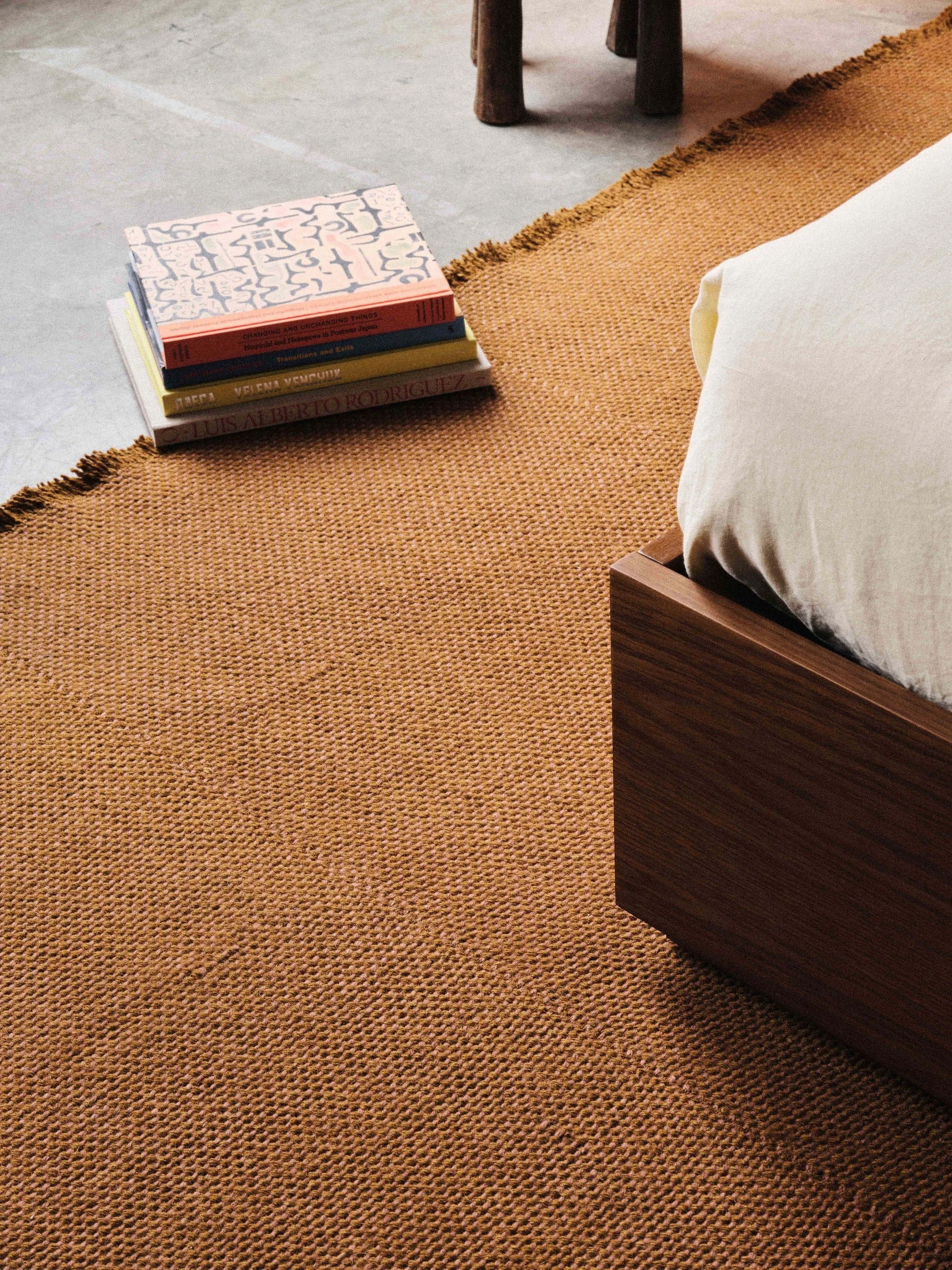
CICIL is a great example of a company doing the right things in terms of non-toxic materials and ethos, without the corresponding certifications. Women owned & led; this small US-based company was started a few years ago with the mission to provide clean, natural rugs sourced through localized supply chains. Their rugs use only wool, sourced through small New England farms and processed with only soap and water, and upcycled jute from deadstock yarn. No synthetic materials are used - even their thread is cotton. While the dyes are not natural, they are Declare Redlist free, and no finishes are applied to their rugs. They have intentionally decided not to pursue GOTS or OEKO certification as it’s outside the financial reach of themselves and their suppliers. Not machine washable.
OVERALL SCORE
Better
CERTIFICATIONS