Sheets
-
As the article in which you encase your body for hours every night, our criteria when it comes to sheets lies on the more stringent side. Textiles can carry some of the highest chemical load of any item in your home, due to myriad growing, processing, finishing and dyeing inputs - over 8,000 different chemicals are commonly used in textile manufacturing. Potential exposure routes are primarily dermal absorption and inhalation. To over-simplify, when it comes to textiles there are broadly three different types: natural textiles that are conventionally grown and processed, synthetic textiles which are most often plastic converted into fabric, and natural textiles that are organically grown and cleanly processed. Of course, there are natural textiles that are organically grown and then conventionally processed, finished and dyed - resulting in a textile with a high residual chemical load, and negating any positive impact from the exclusion of pesticides. And while there is an argument to be made that synthetic textiles can contain fewer residual chemicals compared to conventionally grown and processed natural textiles, there remains the outsize issue of microplastic shedding - which will occur with any plastic-based textile that is subject to abrasion. We are just beginning to understand the health impacts of our collective over-exposure to microplastics, but needless to say, it’s not looking good - current known effects range from endocrine disruption to infertility, and ongoing research is working to unearth the full spectrum of extremely concerning potential effects. Due in large part to this, as well as the chemical load needed to convert a plastic into a textile and the potential remaining residual chemical levels, we broadly do not recommend any synthetic textiles for items that will have extended direct skin contact.
What we’re looking to avoid when it comes to Non-Toxic sheet recommendations are the chemical inputs used in the various steps of conventional textile manufacturing. This includes phthalates, flame retardants, heavy metals, formaldehyde, VOCs, PFAS, and other such carcinogenic, mutagenic and reprotoxic chemicals of concern. Dyes are amongst the most problematic potential inputs. There are natural (plant-based) dyes, though generally there are challenges with colorfastness, and therefore are seldom commercially used. The vast majority of dyes used are synthetic/petrochemical-based (even GOTS approved dyes and their equivalents), and are a bit of a black box for what chemical compounds they even do contain. Amongst the worst are azo-based dyes (carcinogenic) and Heavy Metal dyes (bioaccumulative and toxic to humans and the environment). An additional significant area of concern are performance treatments applied to textiles - as these can often contain toxic substances like PFAS, phthalates, formaldehyde or others. While we hesitate to issue blanket statements, outside of the known toxic performance treatments many others have not been studied enough to determine potential health effects (we know of only one that seems to be Non-Toxic), and the possibility for regrettable substitution is high. As with food, the potential health tradeoff for convenience is significant, and we recommend avoiding performance treatments altogether for these reasons.
Prioritize Natural textiles that are cleanly processed. With sheets this is most often cotton and linen fabrics. More comprehensive advanced certifications include GOTS, bluesign, MADE SAFE, and ZDHC, and to a lesser extent, OEKO-Tex (see our certifications section). We do recommend undyed fabrics when it comes to sheets (with the exception of our first recommendation).
Avoid Synthetic textiles, including polyester, nylon, acrylic, and olefin. We also recommend avoiding semi-synthetic textiles like viscose, rayon, modal and lyocell, as the conversion process of turning wood/bamboo-based cellulose into a textile requires heavy chemical inputs. If necessary to select semi-synthetic, lyocell appears to be the best choice in terms of residual chemical levels and environmental impact. When it comes to textiles, bedding is an area where we see a fair amount of cleanwashing - companies claiming products to be healthier than they actually are, often supported/marketed with certifications like Organic and, to a lesser extent, OEKO-Tex (again, see our certifications section). We recommend avoiding natural textiles that are conventionally processed and dyed, even those that are grown Organically.

AIZOME
AIZOME is throwing down the gauntlet for transparency and traceability - and we are here for it! Every sheet is batch numbered, and they are working towards including full ingredient lists - something that isn’t required, or done, by really anyone else. As it is currently, they detail a lengthy list of everything they leave out - including all of the heavy hitters used in conventional processing and manufacturing - synthetic & petrochemical dyes, formaldehyde, PFAS and Phthalates, microplastics, heavy metals, fragrances and antimicrobial finishes. Their 340 thread count cotton sheets are naturally antimicrobial, dyed using plant extracts and ultrasound binding (actually colorfast, and the cleanest dyeing method we’re aware of). The sheets carry varying levels of GOTS, OEKO-Tex 100, bluesign and ZDHC Level 3 certifications - see their Seed to Sheet section on what components are certified with which. On the more expensive end, and a fantastic option.
CHECKOUT CODE: CLEANLIST
OVERALL SCORE
Best
CERTIFICATIONS
Savvy Rest
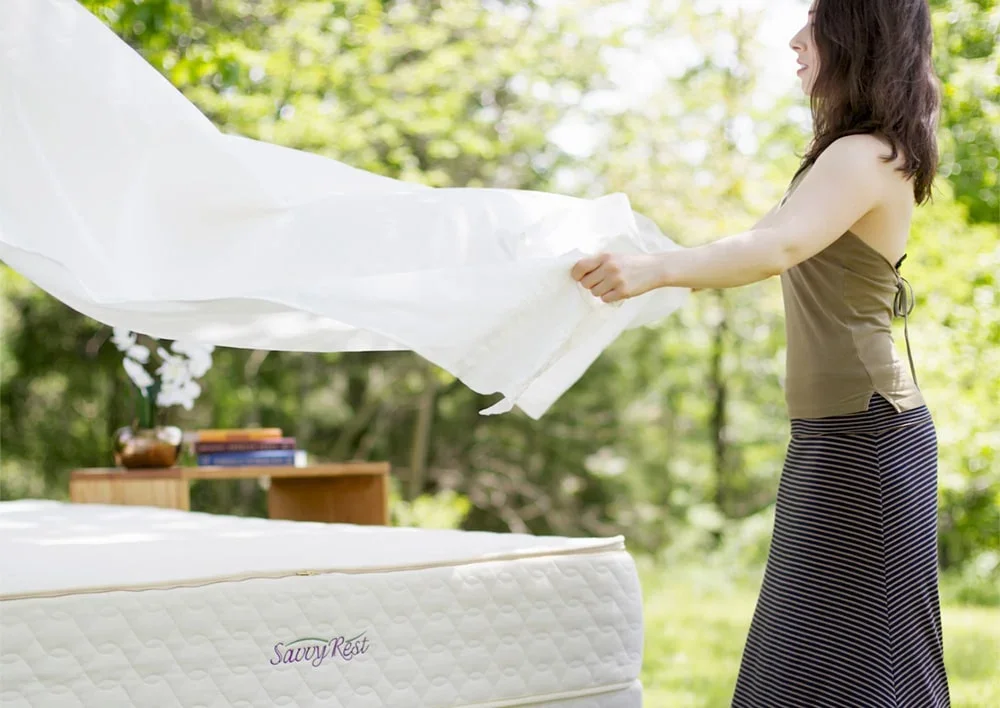
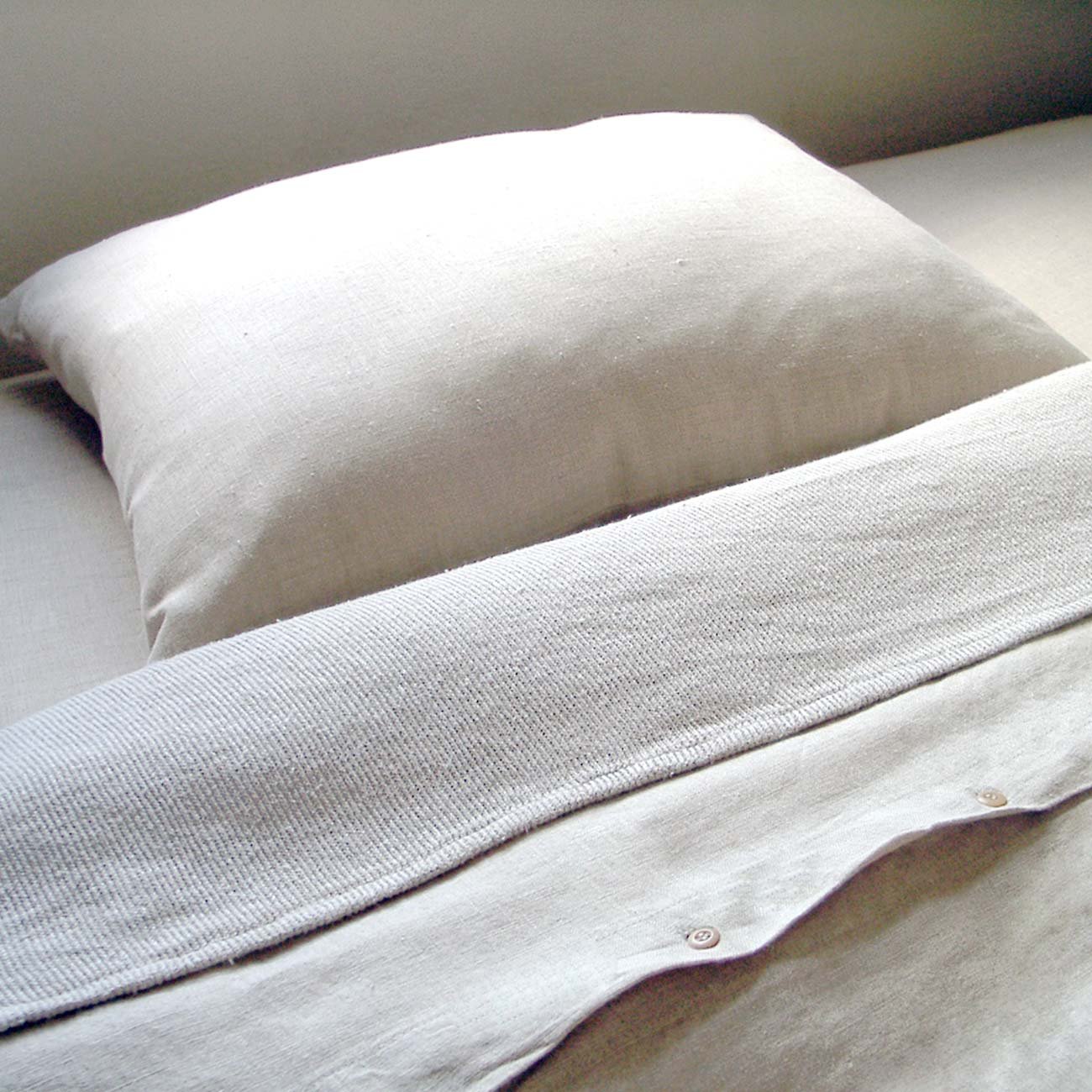
Savvy Rest has one sheet option, and it’s a great one - 300 thread count GOTS certified Organic Sateen Cotton Sheets. The set is undyed, with no bleach or other toxic processing inputs used, the color a slight beige bordering on yellow. Soft and luxurious feeling, they hold up well to repeated washes through the years - we can attest to this as this is the set we’ve had the last couple of years.
CHECKOUT CODE: CLEANLIST
OVERALL SCORE
Best
CERTIFICATIONS
Avocado
Avocado offers GOTS & MADE SAFE certified cotton sheets in 400 and 600 thread count options, and 200 count GOTS Certified percale Cotton sheets. The natural color sheets, our higher recommendation, are undyed (which our rating reflects below), while the white sheets are dyed using a GOTS approved dye. They also have a natural linen option - though we feel there are better linen options listed below.
OVERALL SCORE
Best
CERTIFICATIONS
Lifekind
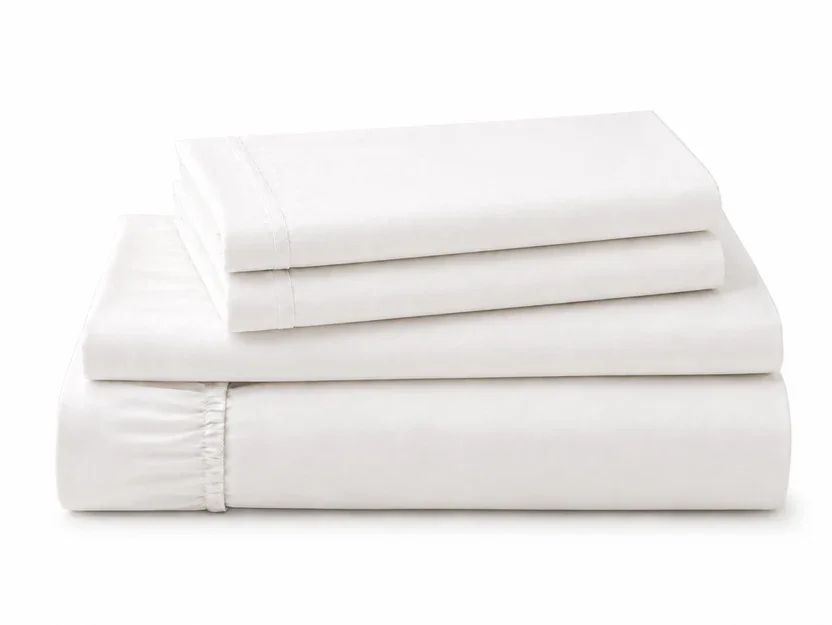
Lifekind is ramping production back up, following a brief production shortfall through the post-Covid transition years. Consequently, their sheets are currently in and out of stock. They offer two cotton sheet options, both fully GOTS certified and 300 count cotton sateen sheets, in an ivory/off-white and pure white. The ivory option is completely undyed, while the white is whitened using just hydrogen peroxide, which fully washes out during processing. A great option.
CHECKOUT CODE: CLEANLIST
OVERALL SCORE
Best
CERTIFICATIONS
Rawganique
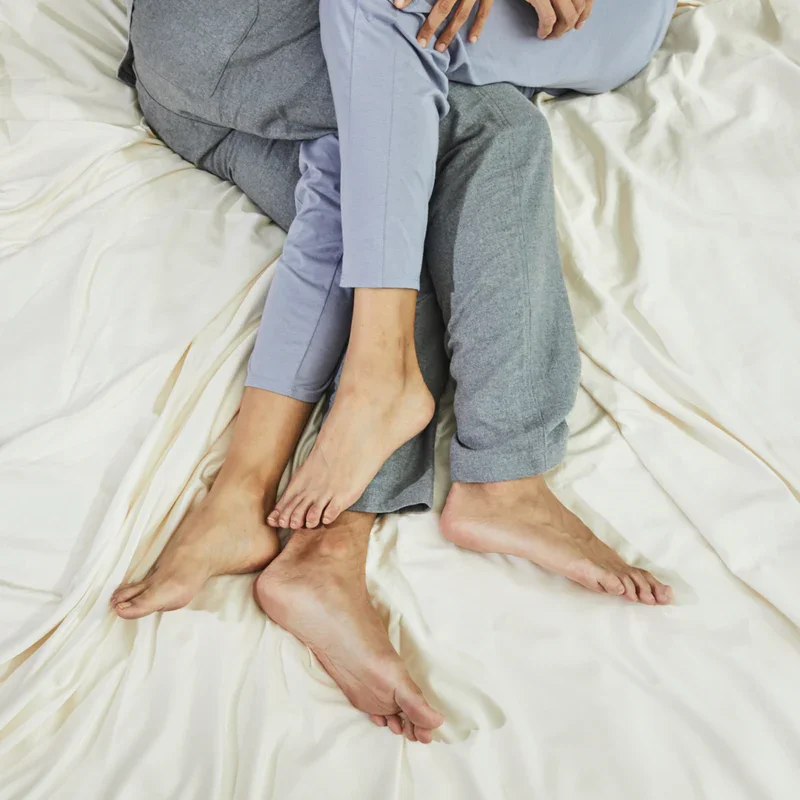
Rawganique’s workshop is GOTS certified - though, per their wonderful customer service team, they are still working on how to use this certification while making it clear that their production standards go above and beyond the certification requirements, so committed they are to producing Non-Toxic products for their customer base of often-times severely chemically sensitive clients. For sheets, they offer Organic Linen (Haussmann), Organic Hemp (Elmsbury) and Organic Cotton (Helmsley). No whitening or finishing treatments are used, and sheets are offered either in undyed or dyed using fiber-reactive dyes (we recommend the undyed). Expensive, but a great investment.
OVERALL SCORE
Best
CERTIFICATIONS
Coyuchi
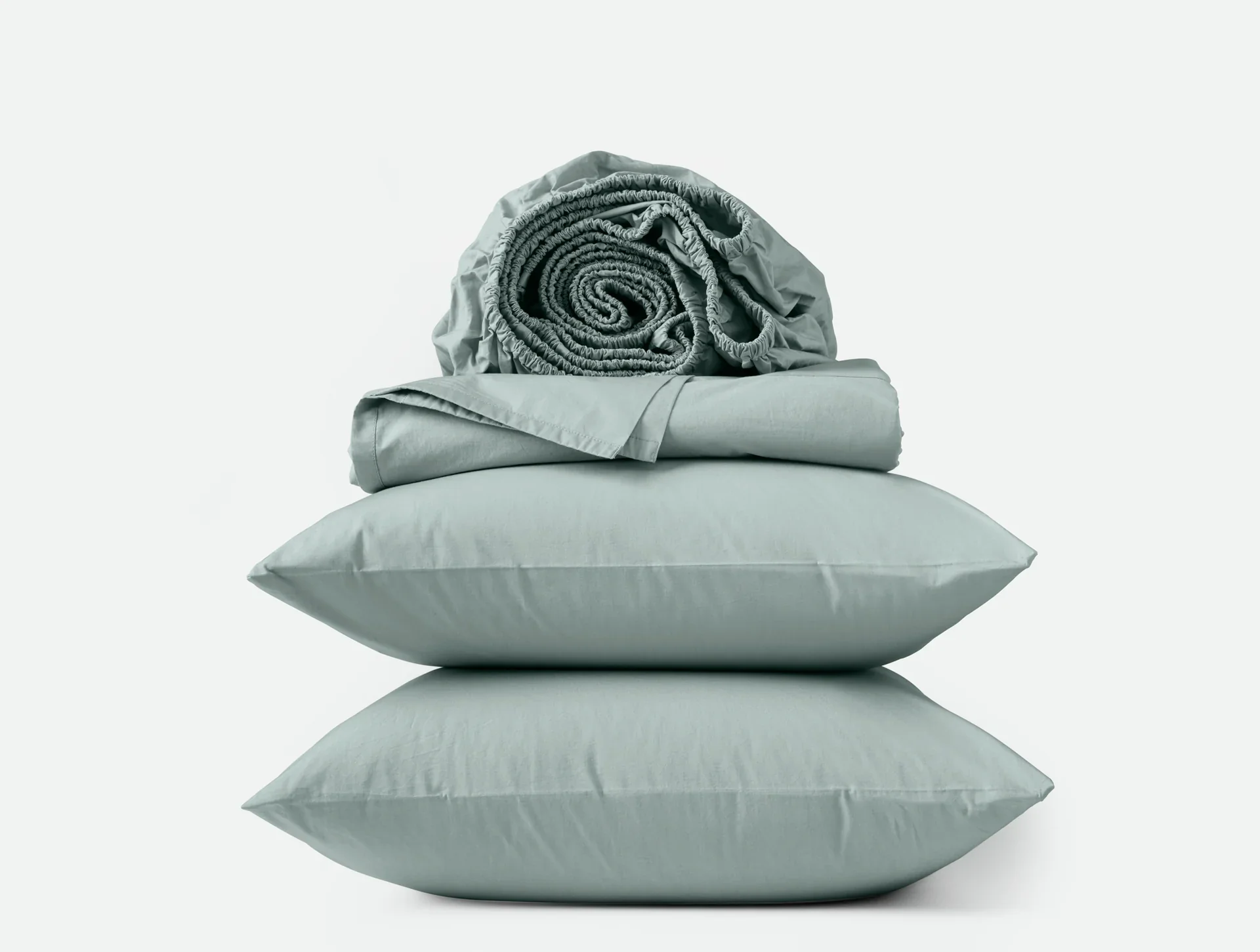
One of the originals in Non-Toxic Home Textiles, Coyuchi offers a number of fully GOTS certified cotton sheet options, and more of a rarity, GOTS certified linen sheet sets, our highest linen sheet recommendation (though expensive, as linen tends to be). They do use a plant-based softener (miDori bioSoft, which appears Non-Toxic from what we’ve been able to research), which is GOTS approved and certified, as are the dyes used.
OVERALL SCORE
Better
CERTIFICATIONS
Whisper Organics
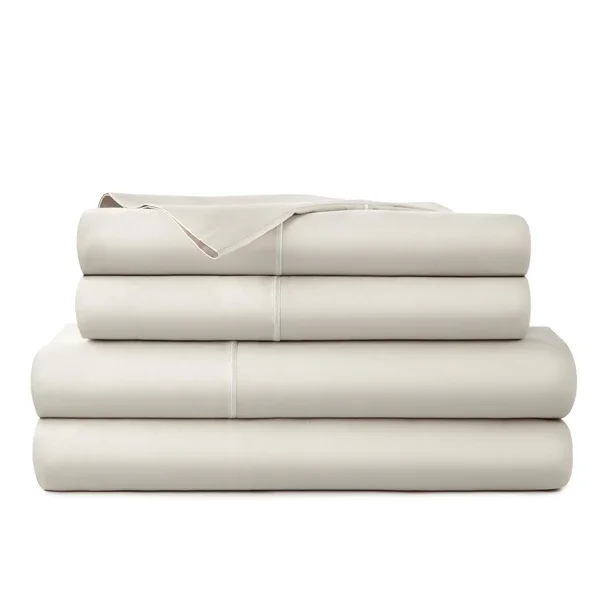
Whisper Organics is a great organic bedding-specific company. This being pretty much its sole focus, it does it very well. They offer a few different cotton sheet options, varying in thread counts; 300-500 TC for sateen, 270 for percale, and they even have a flannel option for colder winter nights. All are priced fairly well, and all are fully GOTS certified. The processing chemicals and (azo-free) dyes used are all GOTS and OEKO-Tex certified.
CHECKOUT CODE: CLEANLIST
OVERALL SCORE
Better
CERTIFICATIONS
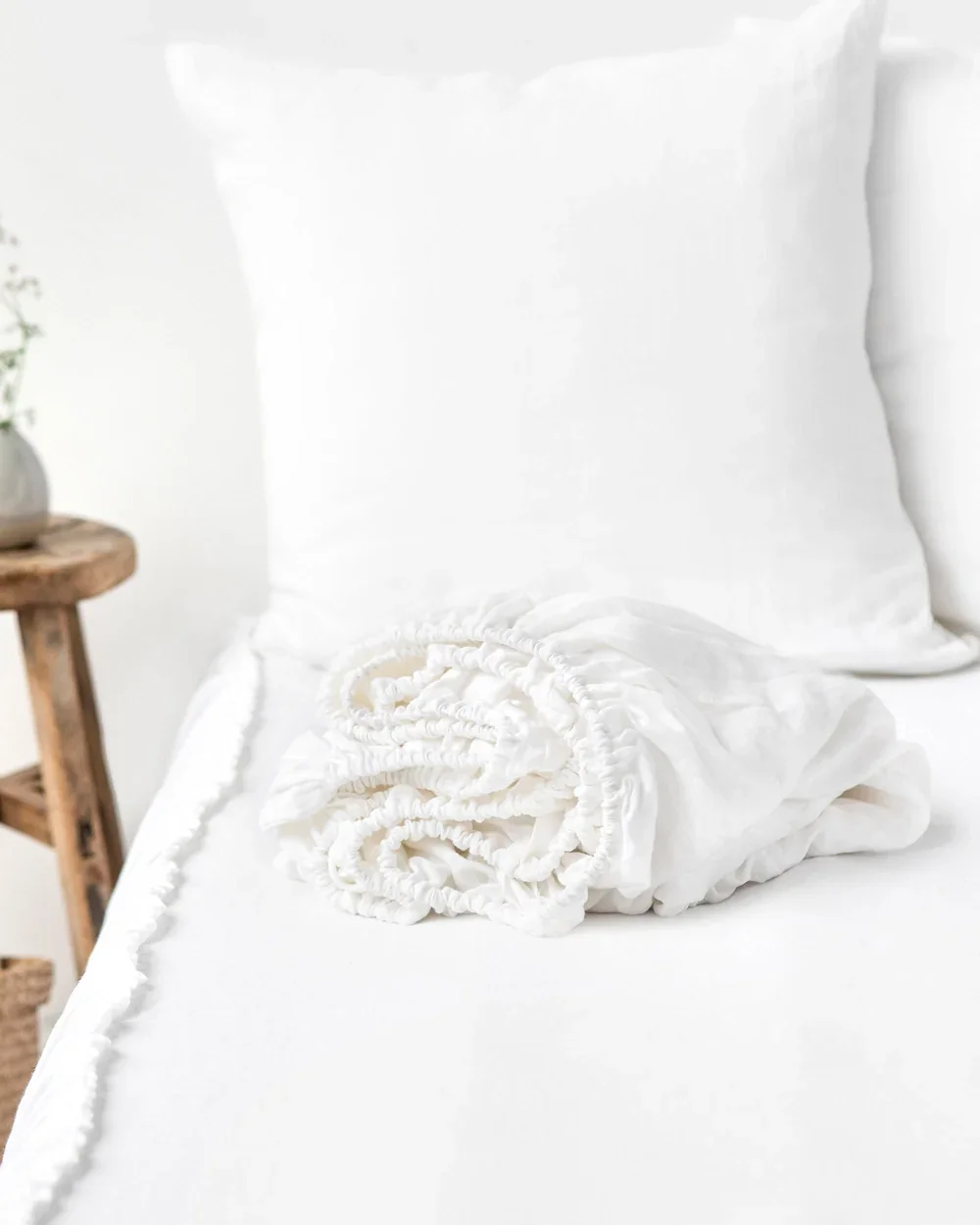
Magic Linen
Magic Linen makes fantastic Linen products, and their sheets are no exception. At a slightly weightier 190gsm, these sheets offer a bit more heft than some of the other linen recommendations, and should stand up well to repeated washes, softening over time. The fabric is not organically grown (though flax generally doesn’t require pesticides to grow), and Magic Linen was unable to provide more detailed information on whether biocides were used, or on the dyes, leaning somewhat on the final product being OEKO-Tex Standard 100 level 2 certified.
OVERALL SCORE
Good
CERTIFICATIONS
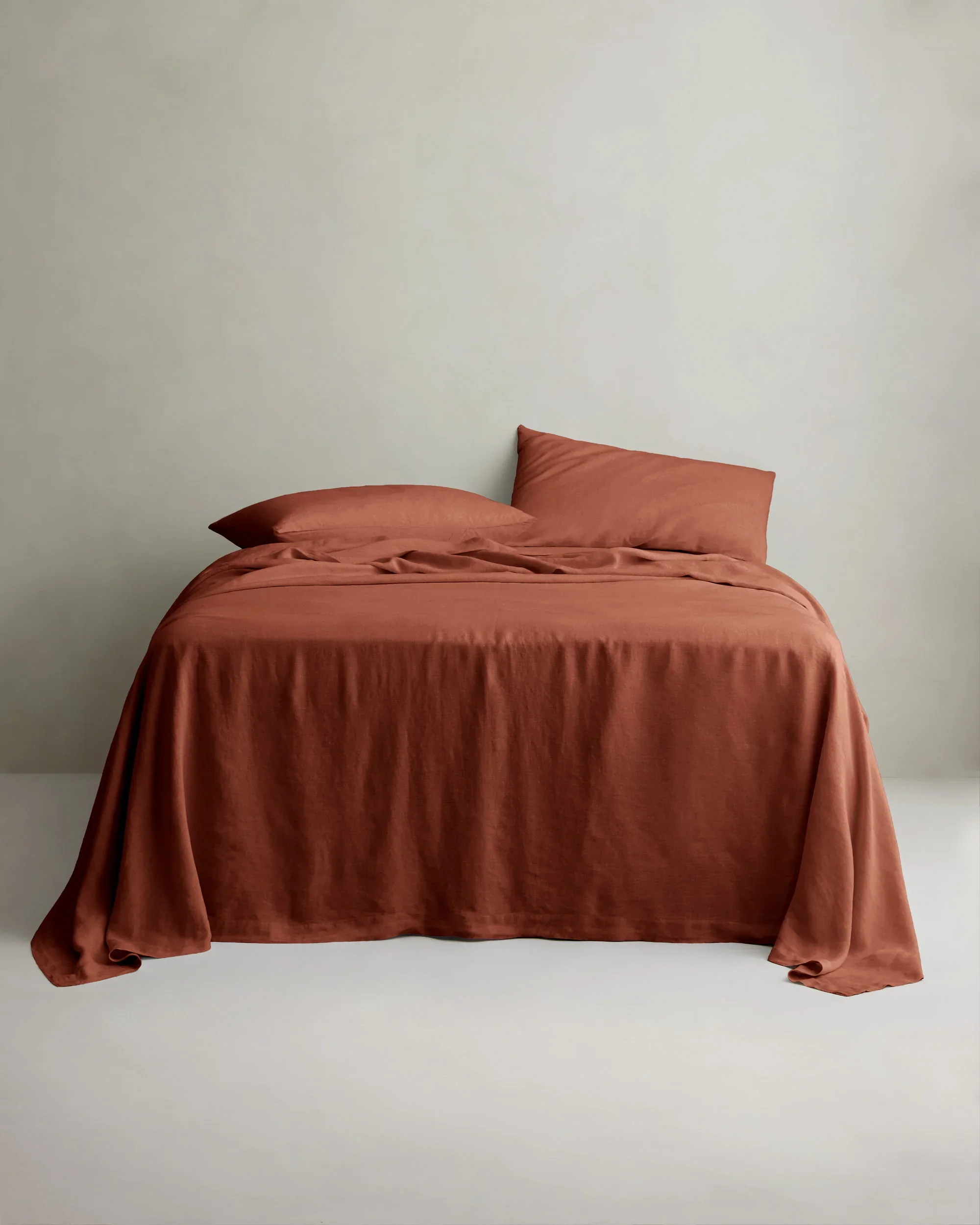
Cultiver
OEKO-Tex and Masters of Flax Fibre Certified Linen sheet sets. The Masters of Flax cert helps provide assurance that no chemicals are used in the growth of the crop, and that full traceability is in effect. Per their customer service team, dyes and dyeing processes vary by item, and they were unable to provide more detailed specifics, leaning on the OEKO-Tex certification in place.
OVERALL SCORE
Good
CERTIFICATIONS